

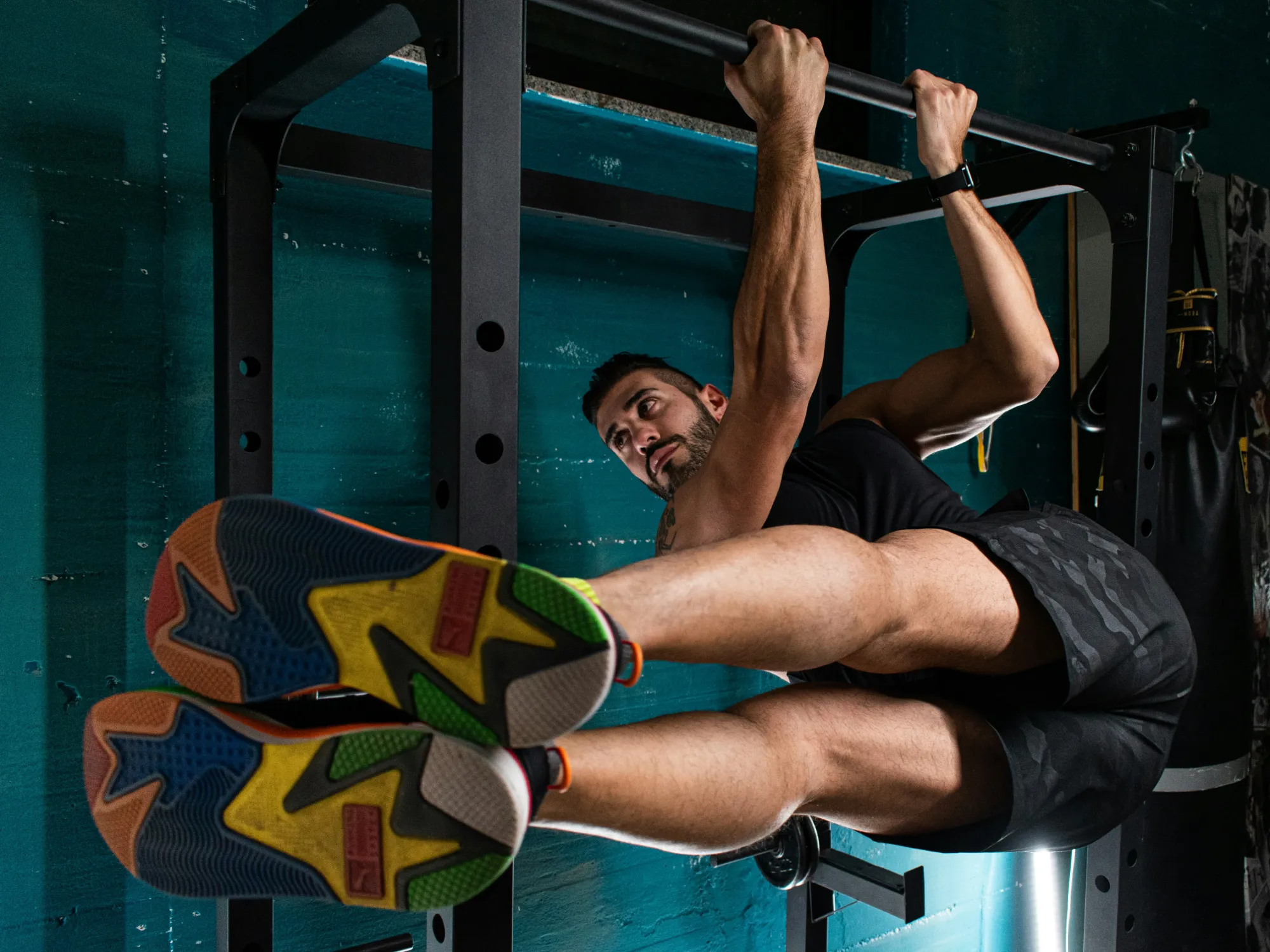
What is Core Strength?
Core strength refers to the ability of the muscles in the abdomen, lower back, hips, and pelvis to work in harmony to stabilize and support the body during various physical activities. It encompasses a broad range of muscle groups, including the rectus abdominis, transverse abdominis, obliques, lumbar multifidus, and the pelvic floor muscles. These muscles play a crucial role in maintaining posture, balance, and overall stability. Understanding the concept of core strength is essential, as it forms the foundation for many functional movements we perform in daily life and athletic endeavors.
Unlike abdominal strength, which primarily focuses on the abdominal muscles themselves, core strength includes all significant muscle groups that surround the torso. This comprehensive approach is vital for athletes and individuals alike, as it not only contributes to improved performance but also aids in injury prevention. A strong core ensures that the body can efficiently transfer energy during activities, enabling better execution of sports and reducing the risk of strains and sprains.
Moreover, core strength is pivotal in facilitating proper body mechanics during everyday movements such as lifting, bending, and reaching. A robust and well-conditioned core minimizes the risk of back pain and enhances overall functional capacity. Additionally, when core muscles are strong, they enhance balance and stability, allowing one to engage in various physical activities with greater ease and control. Consequently, integrating core-strengthening exercises into one’s fitness routine is paramount, as it supports not only athletic performance but also the ability to perform daily tasks effectively and safely.
Benefits of Core Strengthening
Core strength refers to the stability and strength of the muscles surrounding the abdomen, hips, lower back, and pelvis. One of the primary benefits of enhancing core strength is improved stability. When core muscles are well-developed, they provide a solid foundation that supports the entire body during both static and dynamic movements. This stability translates into better balance, enabling individuals to perform various physical activities with greater precision and control.
Moreover, a strong core contributes significantly to proper posture. The postural muscles are intricately connected to the core, and strengthening these muscles can help an individual maintain a more upright posture, reducing fatigue and discomfort during daily activities. This alignment is critical, as it allows for optimum body mechanics, especially during exercise and sports, where the risk of injury is heightened without proper form.
In terms of athletic performance, core strength plays a pivotal role across many sports. For athletes, a strong core is vital for generating power, as almost every movement begins in the center of the body. Enhanced core stability can lead to improved performance in sports ranging from running to swimming and strength training, as it aids in executing movements more efficiently and explosively.
Injury prevention is another critical aspect tied to core strength. A well-conditioned core can help protect the spine and joints by providing support during physical activities, thereby reducing the risk of common injuries. Back pain, which affects a significant portion of the population, can often be alleviated through targeted core strengthening exercises, leading to healthier movement patterns.
Additionally, the psychological benefits of core strength should not be overlooked. Engaging in core strengthening exercises can foster increased self-confidence and body awareness. As individuals become more attuned to their body’s movements and capabilities, they often experience a boost in self-esteem and overall mental well-being.
Core Strengthening Exercises for Beginners
Building core strength is essential for overall fitness and stability. For those just starting their journey, a selection of beginner-friendly exercises can facilitate this process. Below are several effective exercises designed to strengthen the core while emphasizing proper technique and form.
Plank: The plank is fundamental for core stability. Begin by getting into a push-up position with your arms straight. Ensure your elbows are directly beneath your shoulders. Keep your body in a straight line from head to heels, engaging your core throughout. Hold this position for 20-30 seconds, breathing steadily. As you progress, you can extend the duration or try side planks for added challenge.
Bridge: The bridge exercise strengthens the lower back and glutes, contributing to core stability. Lie on your back with your knees bent and feet flat on the ground, hip-width apart. Press through your heels to lift your hips towards the ceiling, forming a straight line from your knees to your shoulders. Hold this position for a few seconds before lowering your hips back down. Aim for 10-15 repetitions, ensuring you engage your core and avoid arching your back excessively.
Bird-Dog: This exercise enhances both balance and coordination, activating the core effectively. Start on all fours, ensuring your hands are under your shoulders and knees under your hips. Extend your right arm forward and left leg backward simultaneously, keeping your core tight and back straight. Hold for a moment before returning to the starting position, then switch sides. Perform 8-12 reps on each side while focusing on maintaining a neutral spine.
To avoid common mistakes with these exercises, always prioritize form over quantity. It’s crucial to engage your core properly and maintain consistent breathing throughout each movement. As you advance, modifications can be incorporated to increase intensity while continuing to build core strength effectively.
Incorporating Core Strength into Your Routine
Integrating core strength into your fitness routine requires thoughtful planning and consistency. Consider starting with a frequency of two to three times per week for targeted core workouts. This approach allows your muscles adequate recovery time while providing the stimulus needed for growth and endurance. Each session can include a combination of exercises such as planks, bridges, and rotational movements that engage various muscle groups in the core.
When structuring your core workouts, aim for 2 to 4 sets of each exercise, with 10 to 15 repetitions per set. Including a variety of movements ensures that you are not only engaging the abdominal muscles but also the obliques, lower back, and hips. As you progress, consider increasing the difficulty of the exercises by adding weight, extending the duration of holds, or incorporating stability equipment like balance balls or resistance bands.
Combining core exercises with other forms of training can also lead to enhanced functional strength. For instance, integrating core workouts into your warm-ups or cooldowns during cardio sessions can maximize your overall routine without requiring substantial additional time. Additionally, engaging in full-body workouts that require core engagement, such as Pilates or circuit training, can yield significant benefits for overall fitness and stability.
As you incorporate core strength training, it is essential to maintain consistency and track your progress. Consider utilizing fitness apps or online videos that offer guided core workouts, which can provide a structured approach and help reduce the risk of injury. Most importantly, listen to your body; if an exercise does not feel right, modify it to suit your comfort level. With dedication and proper integration of core strength exercises, you will progressively enhance your overall physical capabilities.
